Silicone Roof Coatings vs High Solids Silicone – Detailed Breakdown
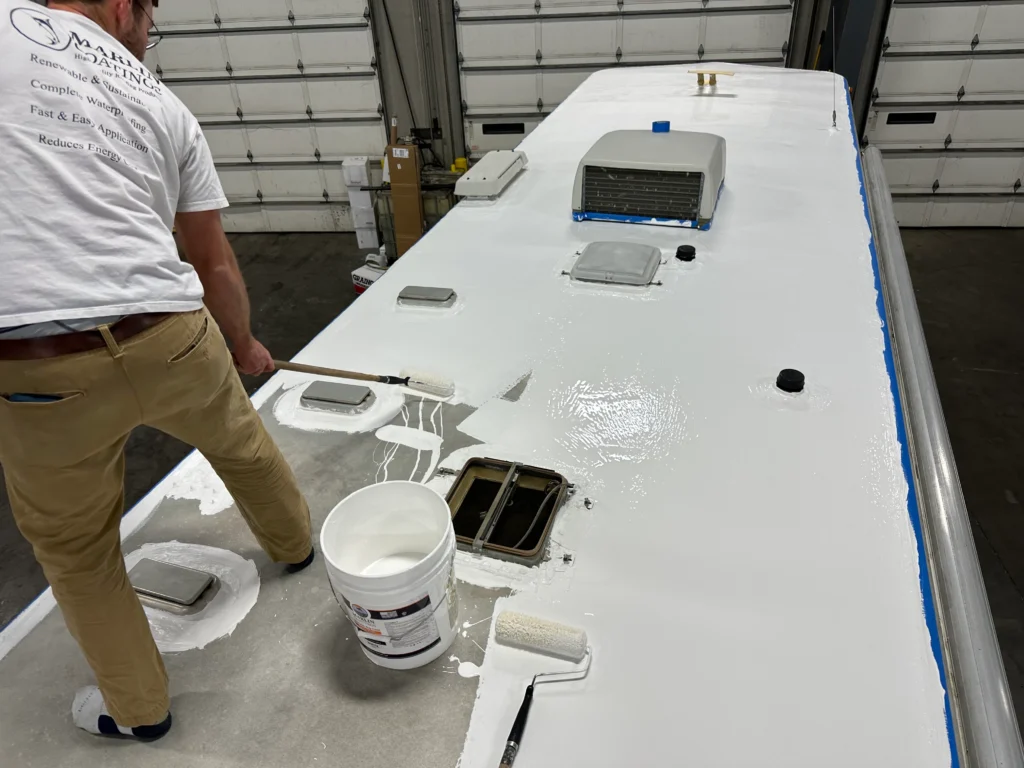
Protecting an RV roof is one of the smartest investments any RV owner can make. A well-maintained roof prevents leaks, heat damage, water penetration, UV degradation, and costly structural repairs. RV Roof Coating Kits make this process easier by bundling everything needed for a complete restoration—primer, sealants, seam tape, and the topcoat.
But with several options available, choosing the right kit can feel overwhelming. This guide breaks down the three most common systems:
✔ Budget Kits
✔ Standard Kits
✔ Premium Kits
Each kit offers different performance levels, lifespans, and cost ranges—perfect for beginners, travelers, or full-time RV users.
Why RV Roof Coating Kits Are Essential
RV roofs face unique challenges:
Constant movement and vibration
UV exposure on long trips
Temperature swings across climate zones
Rain, snow, hail, and high winds
Aging rubber membranes (EPDM/TPO)
Seam failures around vents, AC units & skylights
A roof coating kit extends the roof life while ensuring:
✔ Long-term waterproofing
✔ Cooler interior temperatures
✔ Better energy efficiency
✔ Reduced maintenance costs
✔ Protection from cracking and leaks
1. Budget RV Roof Coating Kit
Affordable protection for older RVs & short-term use
Budget kits provide basic waterproofing and reflectivity—ideal for light-duty applications or owners needing a quick refresh.
What’s Included
Acrylic or elastomeric coating
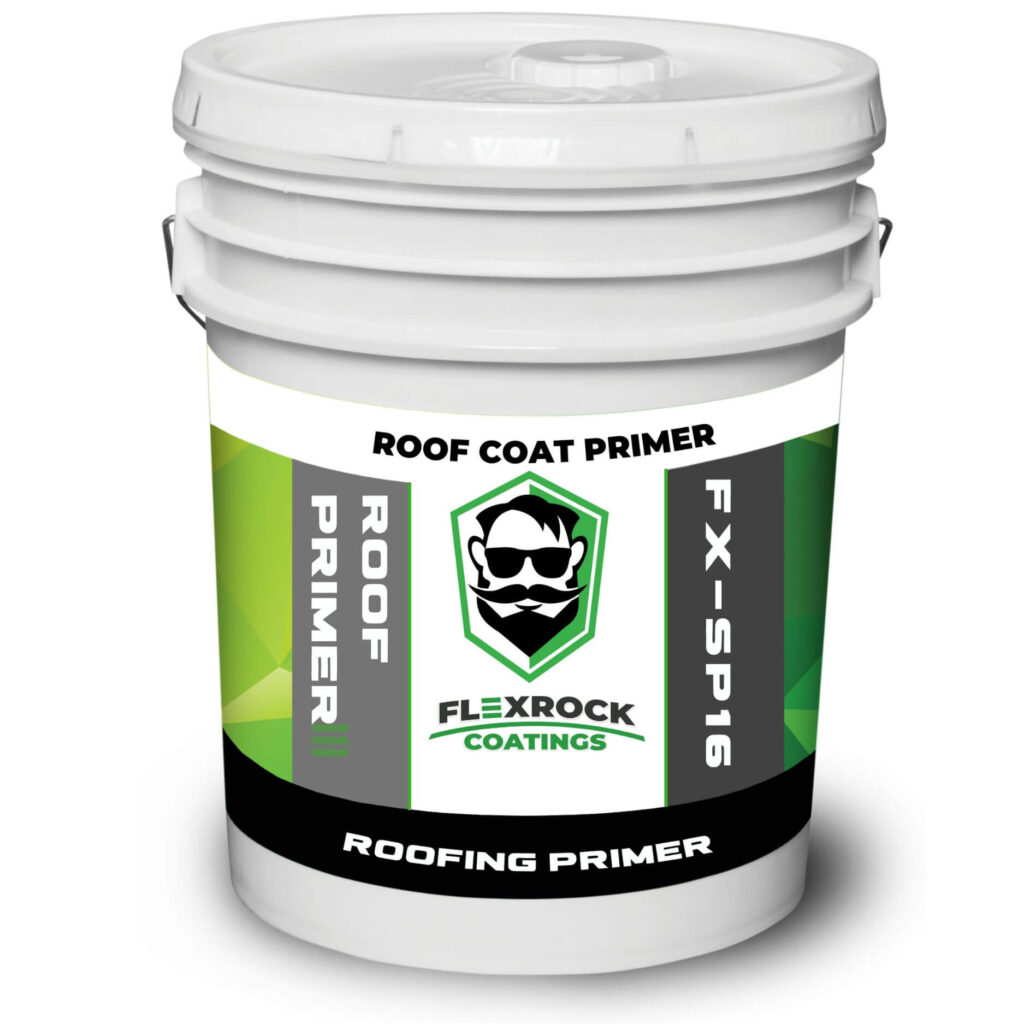
Basic roof cleaner or primer
Patch or seam caulking
Roller & brush tools
Best For
✔ Weekend RV users
✔ Older roofs nearing replacement
✔ RVs stored outdoors but lightly used
✔ Budget-friendly maintenance
Advantages
Low cost
Easy DIY application
Good UV reflectivity
Limitations
Shorter lifespan
Not designed for ponding water
Requires more frequent recoating
2. Standard RV Roof Coating Kit
Balanced performance & durability — ideal for most RV owners
Standard kits are the most popular because they offer strong adhesion, good weather resistance, and a longer lifespan.
What’s Included
High-grade acrylic or urethane coating
EPDM/TPO/metal-compatible primer
Seam tape or polyester fabric
High-quality caulking
Application tools
Best For
✔ Cross-country travelers
✔ 5–10 year-old RV roofs
✔ RVs exposed to sun and rain
✔ Users seeking durability without premium pricing
Advantages
Strong adhesion to membranes
Better resistance to UV & temperature swings
Good waterproofing
Medium-to-long lifespan
Limitations
Requires proper prep
Not suitable for extreme ponding water areas
3. Premium RV Roof Coating Kit
Maximum protection, lifespan & weather resistance
Premium kits use high-performance formulations such as high-solids silicone, urethane, or hybrid systems. These coatings deliver the strongest waterproofing and UV protection.
What’s Included
High-solids silicone/urethane topcoat
Advanced EPDM/TPO/fiberglass primer
Industrial-grade seam tape
Long-lasting sealants
Professional-grade tools
Best For
✔ Full-time RV travelers
✔ Harsh climates (coastal, desert, heavy rain)
✔ New or well-maintained RV roofs
✔ Long-term ownership
Advantages
Superior waterproofing
Withstands ponding water
Exceptional UV and heat resistance
Longest system lifespan (up to 10+ years)
Limitations
Higher cost
Requires careful installation
Needs clean, prepped surfaces for full performance
Which RV Roof Coating Kit Should You Choose?
✔ Choose Budget If:
Your RV is old or lightly used
You only need short-term protection
You want a simple, affordable solution
✔ Choose Standard If:
You’re a regular RV traveler
Your roof has moderate aging
You want long-term reliability without overspending
✔ Choose Premium If:
You travel full-time or in extreme climates
You want the longest lifespan & best protection
Your RV roof is new or in good condition
Why Choose Flex Rock Coatings RV Kits?
Flex Rock Coatings provides Budget, Standard & Premium RV Roof Coating Kits engineered specifically for EPDM, TPO, fiberglass, and metal RV roofs.
Benefits:
High-adhesion primers
Seamless waterproofing
Superior UV resistance
Durable topcoats for long-term performance
Easy-to-follow kits for both DIYers and professionals
Whether your customer wants a quick fix or a long-term roofing upgrade, Flex Rock Coatings has a perfect system ready to go.
Final Takeaway
Choosing the right RV roof coating kit depends on:
Your RV’s age
Your travel frequency
The climate you drive and store in
Your budget and long-term plans
With the right kit, RV owners can prevent leaks, extend roof lifespan, and enjoy a safer, cooler, and more durable travel experience.