
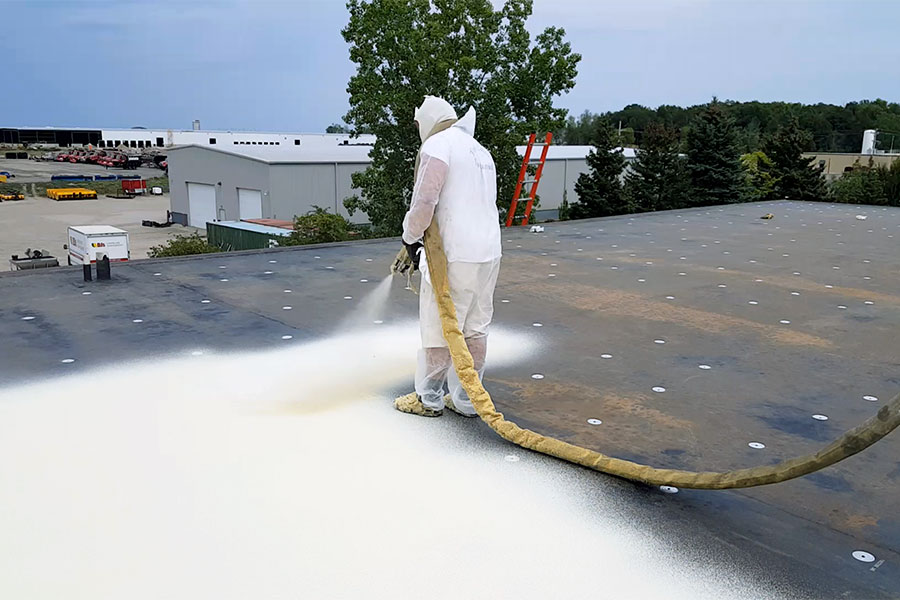
Spray polyurethane foam (SPF) roofing systems provide outstanding insulation and seamless waterproofing — but only when the surface is properly prepared. Spray Foam Roof Primer is one of the most important steps before applying foam or topcoat. It improves adhesion, stabilizes the substrate, and ensures that the SPF system bonds correctly with the roof surface.
This guide explains when to use a spray foam primer, why it is necessary, and how it boosts long-term roof performance.
What Is a Spray Foam Roof Primer?
A Spray Foam Roof Primer is a specialty coating formulated to enhance the adhesion of SPF roofing to a wide range of substrates such as metal, concrete, BUR, modified bitumen, and aged coatings. It creates a uniform, receptive surface so the foam can be applied safely and securely.
Key Functions
✔ Bonds SPF to the substrate
✔ Seals dust, micro-porosity & loose surface particles
✔ Increases foam adhesion strength
✔ Reduces the risk of delamination
✔ Improves long-term system performance
When Do You Need a Spray Foam Roof Primer?
1. When the Roof Surface Is Aged or Weathered
Old roofs often have chalking, micro-cracks, dust, or oxidized surfaces. A primer locks these in and creates a strong foundation for foam adhesion.
Use a primer if:
The roof has oxidation
The surface is visibly powdery or chalky
Previous coatings are aging
2. When Installing SPF Over Metal Roofs
Metal expands and contracts. A spray foam primer stabilizes the surface and improves foam grip even in thermal movement zones.
Use a primer on metal when:
Rust has been treated but needs reinforcement
Panels are weatherworn
Adhesion may be inconsistent without a primer
3. When Applying Foam Over Modified Bitumen or BUR
These substrates often contain oils or granules that reduce adhesion. Primers help penetrate and seal these layers, creating a uniform bonding surface.
Especially important for:
Granulated cap sheets
Asphaltic substrates
Torch-down and APP/SBS modified roofs
4. When the Surface Has Moisture Concerns
Some spray foam primers are formulated to be moisture-tolerant, allowing adhesion even on surfaces that cannot be perfectly dried.
Recommended for:
Early-morning dew conditions
Humid climates
Concrete or porous surfaces holding light moisture
5. Before Applying High-Performance Topcoats
If SPF will be coated with urethane, acrylic, silicone, or polyaspartic coatings, the primer ensures better inter-coat adhesion and extends the system’s lifespan.
Why Use a Spray Foam Roof Primer?
1. Stronger Adhesion
Primers increase the bonding strength between SPF and the substrate — a critical factor in system durability.
2. Prevents Foam Blistering & Delamination
Unprimed roofs may cause foam to separate over time. Primer ensures consistent absorption and mechanical bonding.
3. Creates a Uniform Surface
Seals gaps, dust, micropores, and minor surface inconsistencies, allowing the foam to expand and adhere evenly.
4. Enhances Roof Lifespan
A properly primed surface reduces the risk of premature failures, moisture intrusion, and coating breakdown.
5. Extends Warranty Eligibility
Most manufacturers and specifications require a primer for SPF systems to qualify for long-term warranties.
Where Spray Foam Roof Primers Work Best
✔ Metal Roofs
✔ Modified Bitumen
✔ Built-Up Roofing (BUR)
✔ Concrete Roof Decks
✔ Aged Sprayed Polyurethane Foam (recoat projects)
✔ EPDM or TPO (when allowed — check manufacturer)
✔ Wood & plywood decking
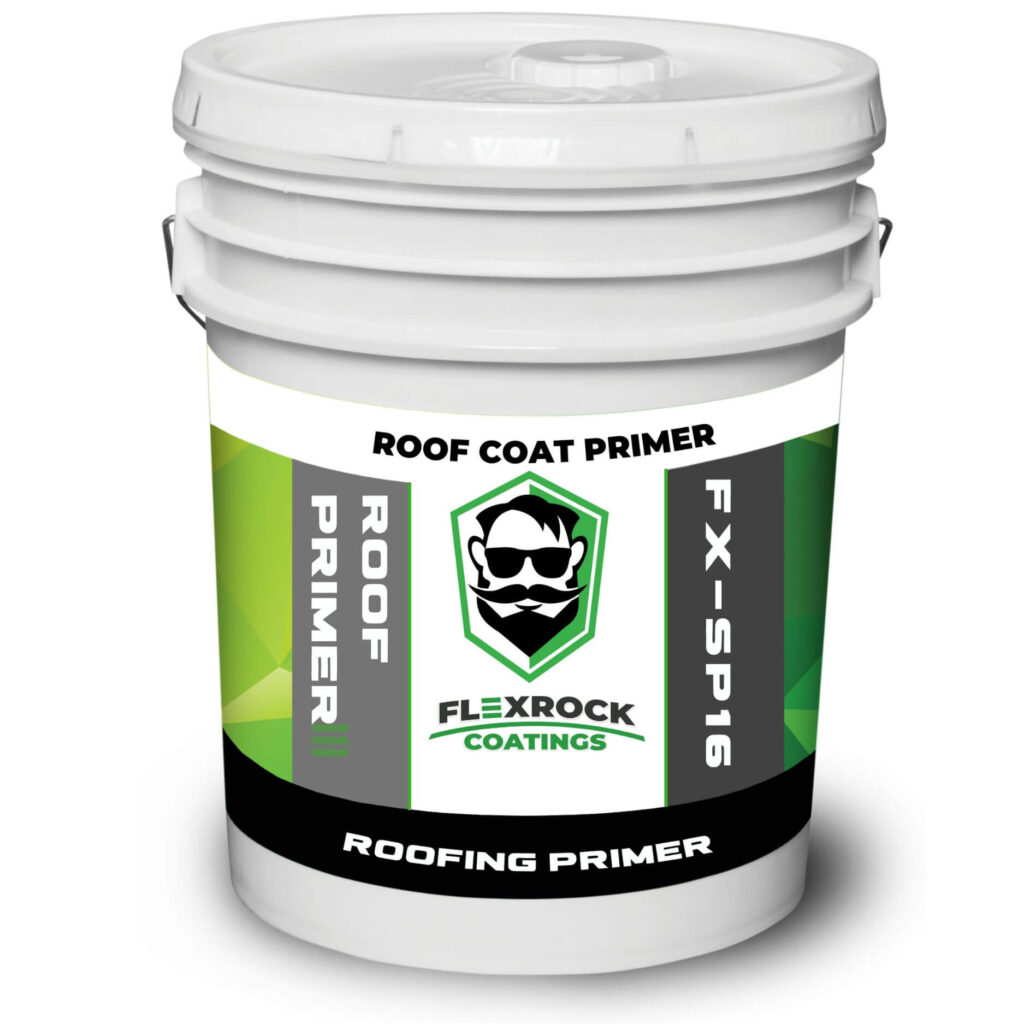
Flex Rock Coatings’ Spray Foam Roof Primer is engineered to maximize adhesion across all these surfaces.
How to Use Spray Foam Roof Primer (Quick Procedure)
Clean the roof surface
Remove debris, dust, grease, and loose granules.Repair major defects
Fix seams, blisters, and penetrations.Apply primer by roller or spray
Follow coverage rate guidelines and ensure even application.Allow proper curing time
Most primers dry within 30–60 minutes depending on temperature.Install SPF foam within recoat window
Apply foam promptly to avoid contaminants or dust settling.
Final Recommendation
A Spray Foam Roof Primer is essential when installing SPF roofing in most professional scenarios. Whether you’re working on metal, asphalt, concrete, or an aged surface, the primer ensures:
Strong adhesion
Long-lasting protection
Reduced installation failure
Compatibility with high-performance topcoats
For contractors who want consistent, long-term results, using the correct spray foam primer is not optional—it’s a best practice.

Leave a Comment
Your email address will not be published. Required fields are marked *